


The skills learned while wrestling with code and wiring in the classroom extend far beyond the competition field. Robotics education provides a direct, transferable skill set that is immediately valuable in the modern workplace—even in fields you might not expect.
The Power of Transferable Skills
Robotics students naturally develop several “power skills” that employers crave:
- Troubleshooting & Diagnostics: Diagnosing why a sensor isn’t reading correctly is the same fundamental skill used by an IT professional troubleshooting a network or a doctor diagnosing a patient. It’s systematic deduction.
- System Integration: Robotics requires making different components (motors, sensors, controllers) work together. This is the core of Project Management, where people, budgets, and deadlines must be integrated to achieve a goal.
- Computational Thinking: Breaking down a huge, complex problem into small, manageable, logical steps is a hallmark of robotics programming and is essential for virtually all high-level white-collar work.
Industry Applications Showcase
The skills you learn are driving real innovation:
- Healthcare: Programming robotic surgical assistants and designing automated lab equipment.
- Logistics: Optimizing the pathing and fleet management of autonomous warehouse vehicles.
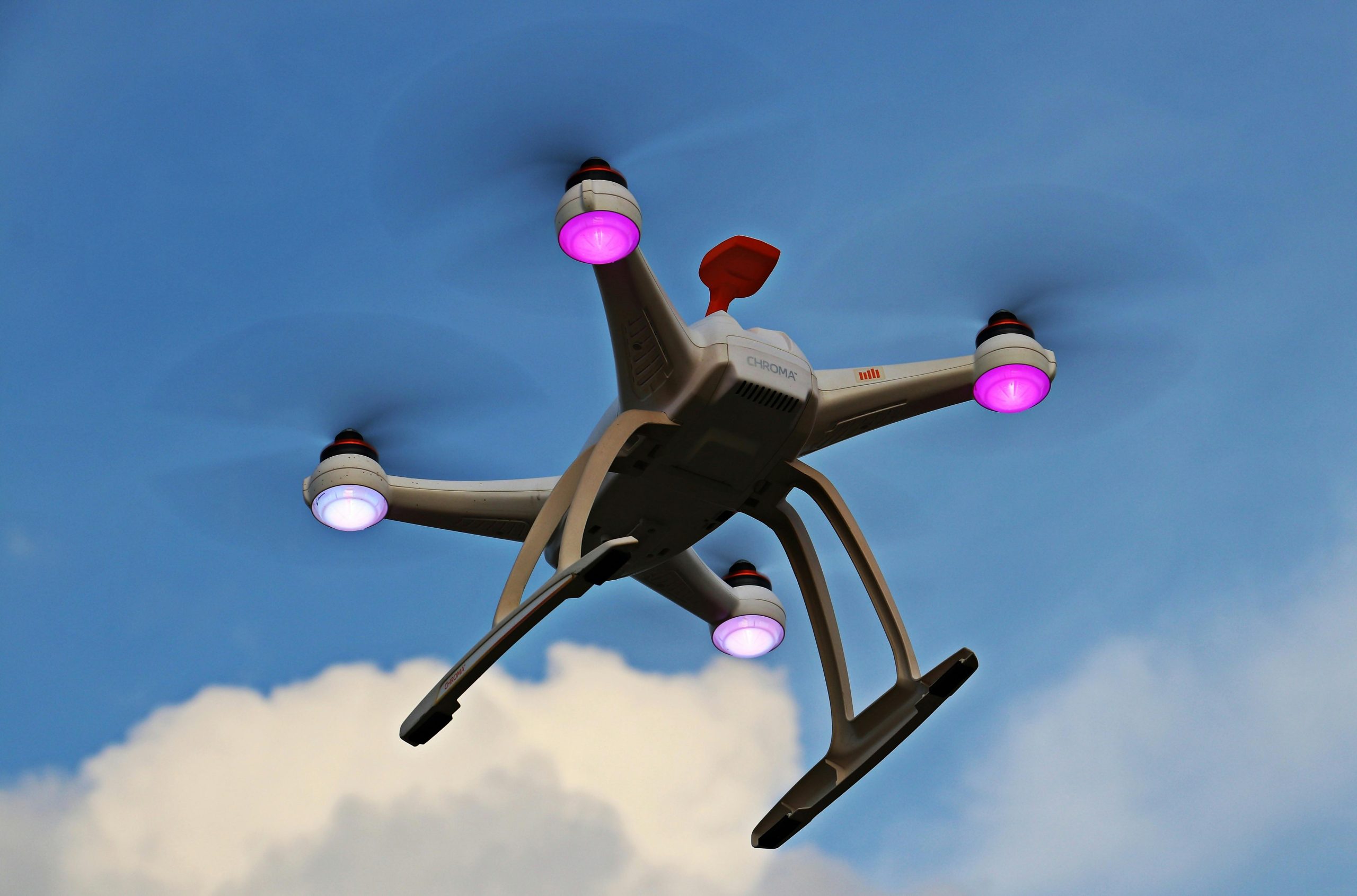
- Agriculture (AgriTech): Developing autonomous tractors and drone systems for crop monitoring.
Robotics training is an investment in adaptability. Our alumni are not just prepared for the next wave of technology; they are the ones creating it, using the foundation they built with RoboTeq.